Cow Rescue & Rehabilitation — Saving and Healing Injured Cows
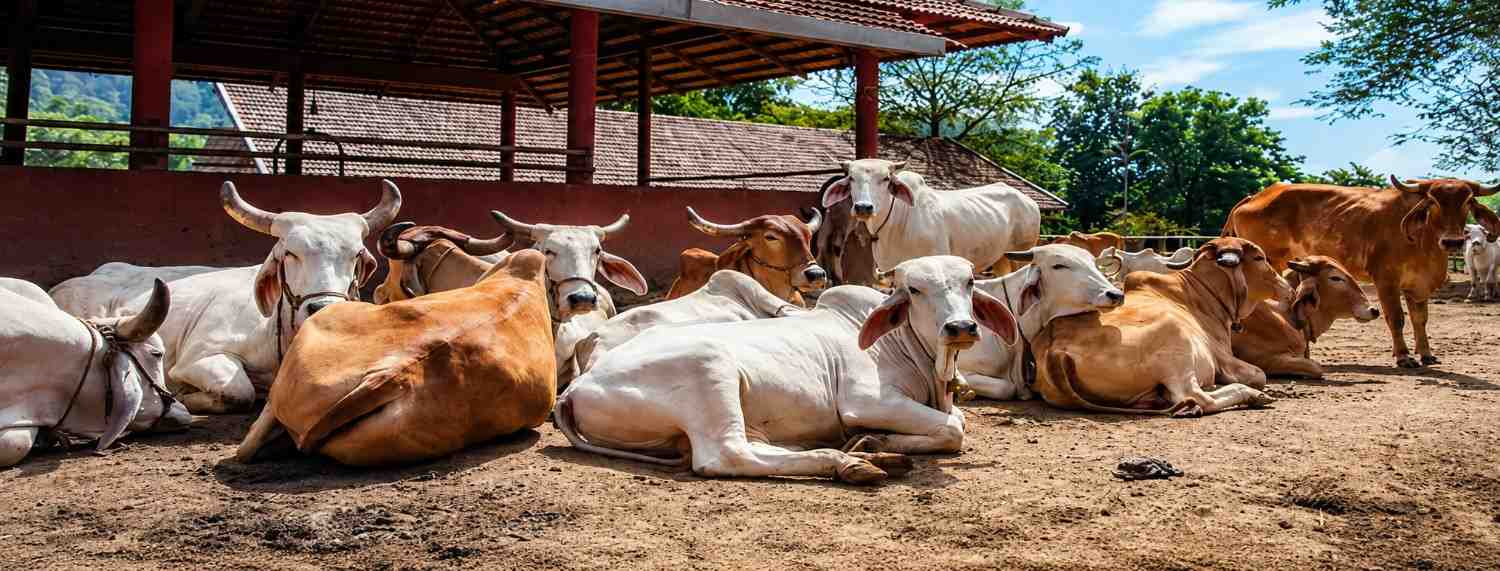
Rescued cows receiving medical care and rehabilitation at an animal shelter through Ind Bharat Global Foundation rescue program

When a cow is injured, abandoned, trapped, or found in severe distress, timely and responsible assistance is vital for its survival and well-being.

Ind Bharat Global Foundation's Cow Rescue & Rehabilitation initiative aims to support vulnerable cattle through organized rescue coordination, professional veterinary assistance, humane shelter placement, and long-term rehabilitation, subject to program availability, geographic coverage, and available resources.

Rescue work requires safe and responsible execution. Our operations emphasize careful coordination between trained field handlers, registered veterinary practitioners, and local animal-welfare authorities. Rather than simply relocating an animal, our approach provides end-to-end recovery: clinical diagnosis, wound care, daily nutrition, and permanent sanctuary in partner gaushalas.

Why Cow Rescue Matters

Cattle face life-threatening emergencies across urban and rural environments. Timely professional intervention prevents prolonged suffering and restores health:

01

Road & Highway Accidents

Collisions with speeding vehicles causing fractures, open wounds, and traumatic shock on highways.

02

Severe Physical Injuries

Deep lacerations, maggot-infested wounds, horn injuries, and acid burns requiring immediate clinical care.

03

Cruel Abandonment

Non-milking, elderly, or diseased cattle deserted on city streets without shelter or care.

04

Entrapment in Drains & Pits

Cattle trapped in open sewers, construction trenches, mud pits, or marshland requiring mechanical extraction.

05

Critical Illness & Weakness

Severe dehydration, milk fever, bloat, respiratory distress, and debilitating systemic infections.

06

Starvation & Plastic Ingestion

Inability to graze leading to acute malnutrition, plastic impaction in the rumen, and intestinal blockage.

07

Unsafe Living Conditions

Exposure to floodwaters, industrial dumps, toxic waste hazards, and extreme seasonal weather.

08

Responsible Follow-Up Care

Ensuring an animal receives continuous veterinary dressings and feeding rather than temporary relocation.

Distress Reporting Protocol

Responding to Cows in Distress

When reporting an animal in urgent need, providing precise and factual information enables our rescue coordination team to dispatch the appropriate vehicle, handling gear, and veterinary aid without delay:

1. Exact Location: Street name, GPS pin, or precise area.
2. Nearby Landmark: Notable temple, shop, or mile marker.
3. Emergency Nature: Accident, bleeding, entrapment, or sickness.
4. Mobility Status: Is the cow standing, recumbent, or mobile?
5. Entrapment Details: Trapped in drains, mud, or wires.
6. Photos/Videos: Clear visual documentation from a safe distance.
7. Reporter Contact: Your phone number so our rescue drivers can coordinate on-site.

Report a Cow in Distress

Contact our emergency coordination desk immediately to initiate rescue verification and dispatch.

  • Helpline Desk: Contact Official Portal
  • Coverage Area: Operational Districts & Partner Zones
  • Service Hours: Active Field Shifts & On-Call Coordination
  • Dispatch: Coordinated Animal Ambulances
Contact Rescue Coordination

How to Report a Cow in Distress

Follow this structured reporting workflow to help our team respond safely, efficiently, and effectively:

Step 01

Contact the Rescue Team

Call our official rescue desk or connect through our online distress reporting channel.

Step 02

Share Exact Location

Provide the precise street address, junction, or prominent nearby landmark for fast navigation.

Step 03

Describe the Situation

Explain whether the animal is bleeding, recumbent, trapped, or showing symptoms of disease.

Step 04

Follow Safety Instructions

Do not attempt to move or restrain the animal yourself; wait for trained rescue personnel.

Step 05

Rescue Coordination

Where the alert falls within operational reach, our team dispatches handling transport.

Step 06

Veterinary Triage

The rescued animal is admitted for clinical evaluation, emergency care, and long-term recovery.

Rehabilitation & Recovery

Rescue is only the initial stage of animal welfare. Healing trauma and restoring health requires dedicated medical treatment, clean shelter, and ongoing monitoring:

Clinical Intervention

Medical Treatment & Surgery

All clinical treatments are conducted and coordinated strictly by registered veterinary doctors:

  • Comprehensive physical examinations and diagnostic assessments.
  • Deep wound cleaning, maggot debridement, and sterile dressings.
  • Administration of prescribed veterinary antibiotics, painkillers, and IV fluids.
  • Splinting and stabilization of fractured limbs.
  • Surgical intervention where clinically required (rumenotomy for plastic removal).
  • Structured follow-up veterinary evaluations during recovery.
Sanctuary Care

Post-Rescue Care & Shelter

Following clinical care, rescued cattle are transferred to supportive shelter environments for recuperation:

  • Safe, shaded, and weather-protected shelter in partner gaushalas.
  • Nutritious green fodder, mineral mixtures, and clean drinking water.
  • Daily recovery monitoring by dedicated animal caretakers.
  • Specialized care for elderly, blind, or permanently disabled cattle.
  • Long-term sanctuary living without threat of abandonment or cruelty.
  • Dignified end-of-life care and respectful final arrangements.

From Rescue to Rehabilitation — The Complete Pathway

Our transparent animal welfare model guides each vulnerable cow through a structured journey:

1. Report Alert → 2. Field Assessment → 3. Safe Rescue → 4. Veterinary Care → 5. Shelter Rehabilitation → 6. Ongoing Monitoring
Each case is assessed individually, recognizing that recovery durations vary according to the severity of injury and nutritional state.
Animal Welfare Standards

Humane Treatment Protocol: All rescue operations and medical rehabilitations adhere to the Prevention of Cruelty to Animals Act, 1960 and established animal welfare regulations. Rescue vehicles are equipped with safe loading ramps, and all treatments are administered under certified veterinary supervision.

Our Rescue & Rehabilitation Impact

Transparent, verifiable metrics reflecting our ongoing commitment to rescuing injured cattle and providing sanctuary care across India.

420+
Injured & abandoned cattle rescued
850+
Veterinary treatments & surgeries coordinated
1,500+
Cattle supported in partner gaushalas
25+
Partner gaushalas & shelter facilities
29
States covered across India
100%
Professional veterinary supervision
500+
Total foundation initiatives completed
Lifelong
Care for non-releasable rescued cattle

Support Rescue Operations — How You Can Help

Rescue operations require dedicated transportation, emergency pharmaceuticals, specialized veterinary surgeries, and ongoing fodder resources:

Donate for Rescue Operations

Fund emergency ambulance transport fuel, lifting harnesses, wound care medicines, surgical supplies, and immediate triage aid.

Donate for Rescue Operations

Sponsor Cow Rehabilitation

Support the long-term recuperation of an injured or elderly cow with monthly green fodder, mineral supplements, and shelter care.

Sponsor a Cow's Care

Report a Cow in Need

Spotted an accident-hit, abandoned, or sick cow on the road? Send exact location details to coordinate emergency rescue assistance.

Contact Rescue Desk

Frequently Asked Questions

Clear answers regarding our rescue procedures, reporting protocols, veterinary care, and shelter operations.

Contact our rescue desk through our official Contact Portal with the animal's exact location, prominent landmarks, and a brief description of visible injuries.

Yes. The Foundation coordinates rescue responses through trained field teams, transport vehicles, and partner animal welfare organizations across operational districts during active operating shifts.

Rescued cows undergo clinical triage by registered veterinarians, receive required medical dressings or surgeries, and are transferred to partner gaushalas for nutrition and ongoing rehabilitation.

All medical treatments, wound debridement, surgical interventions, and pharmaceutical prescriptions are provided and overseen strictly by licensed, qualified veterinary professionals.

Cattle requiring emergency care are transported to partner veterinary hospitals, while stabilized animals are housed in verified partner gaushalas equipped with shelter, clean water, and green fodder.

Volunteers can assist in distress reporting, verified location coordination, awareness campaigns, and gaushala feeding. Direct physical handling of distressed cattle is reserved for trained handlers.

Yes. Donors can designate contributions specifically toward rescue ambulance fuel, emergency veterinary surgical kits, wound dressings, and antibiotic medications.

Yes. Donors can provide ongoing monthly or annual sponsorship to support the daily fodder, veterinary care, and shelter maintenance of rescued cattle residing in partner gaushalas.

Prioritize your personal safety; move away from moving traffic and contact our rescue desk or local emergency authorities immediately. Do not attempt to pull or move an injured animal in traffic yourself.

Supporting Cows Beyond Rescue

Rescue is only one part of animal welfare. Vulnerable cattle require continued shelter, nutrition, veterinary care, and peaceful rehabilitation long after the initial emergency has passed. Ind Bharat Global Foundation works to ensure no rescued cow is ever abandoned again.

Animal Welfare & Veterinary Protocol

Ind Bharat Global Foundation is an officially registered non-profit organization operating in accordance with statutory standards in India. All cattle rescue operations, transit handling, and gaushala rehabilitation adhere to the Prevention of Cruelty to Animals Act, 1960 and humane animal welfare standards. All medical diagnoses, wound dressings, and surgical interventions are conducted exclusively by licensed veterinary surgeons. All donations are allocated transparently toward rescue transport, medical treatment, and animal care.

Together we can Uplift & Empower Communities

× Full Screen Image
WhatsApp