Relief Meal Services — Fighting Hunger Across India
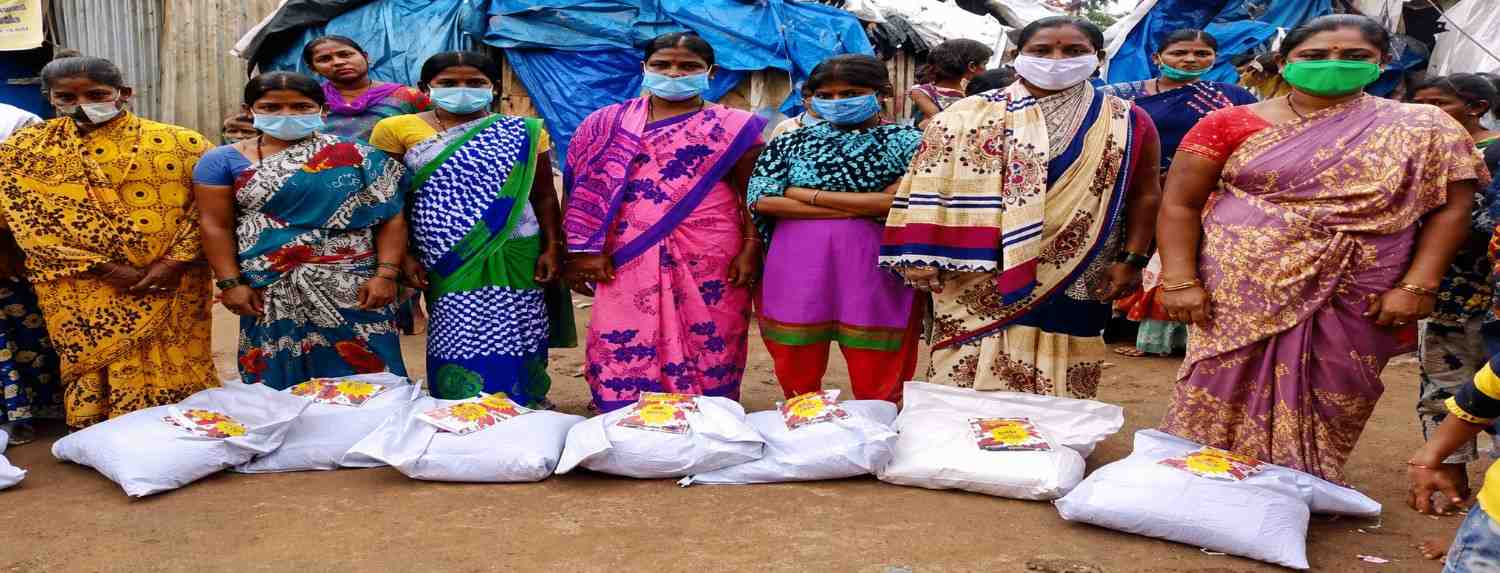
Emergency relief food distribution supporting vulnerable families during crisis by Indbharat Global Foundation

Access to a regular, nutritious meal can make a life-changing difference for people facing food insecurity, displacement, sudden emergencies, or acute economic hardship.

At Indbharat Global Foundation, our Relief Meal Services aim to provide immediate nutritional support to communities affected by disasters and chronic hunger. In times of crisis, ensuring that people have access to safe, wholesome, and nutritious food is crucial for survival, human dignity, and recovery. Our program is designed to respond swiftly and effectively, ensuring that no one goes hungry during challenging times.

Bringing together daily meal distribution drives, centralized community kitchen operations, and rapid-response disaster feeding missions, we connect compassionate donors, local volunteers, and grassroots civic bodies with verified community hunger needs. We operate with complete accountability, adhering to high standards of food hygiene and compassionate public service.

The Hunger Challenge in India

Food insecurity affects vulnerable households across urban and rural landscapes due to compounding socioeconomic and environmental challenges. Responsible food relief addresses each critical factor:

01

Poverty & Economic Distress

Daily wage volatility and inflation leaving low-income families unable to afford balanced, daily nutritious meals.

02

Disaster Displacement

Floods, cyclones, and fires washing away domestic cooking facilities, food stocks, and family livelihoods.

03

Nutritional Vulnerability

Lack of essential proteins, minerals, and vitamins leading to chronic fatigue, weakness, and childhood wasting.

04

Market Breakdown in Crises

Disrupted supply chains during emergencies preventing local grocery stores and markets from functioning.

05

Hygienic Food Preparation

The urgent need for clean cooking water and sanitized kitchen spaces to prevent waterborne contamination.

06

Safe Transportation Logistics

Ensuring prepared hot meals are insulated and transported rapidly to hard-to-reach rural hamlets.

07

Dignified Community Distribution

Delivering meal aid with deep respect, orderly distribution lines, and special accommodations for elderly and disabled citizens.

Key Aspects of Our Relief Meal Services

Our relief meal framework is built upon 10 core operational pillars ensuring swift response, optimal nutrition, and lasting community resilience:

01

Rapid Deployment

We mobilize resources and volunteers quickly to ensure that food reaches affected areas as soon as possible. Efficient distribution channels are established to facilitate timely delivery.

02

Nutritious Meal Provision

Our meals are balanced and meet essential dietary requirements. Whenever possible, we include fresh and locally sourced ingredients to provide wholesome nutrition.

03

Collaboration with Local Authorities

We work closely with government agencies and local organizations to maximize our reach and impact. This collaboration ensures coordinated efforts and better resource utilization.

04

Community Engagement

Involving community members in the meal distribution process ensures that the food provided is culturally appropriate and meets the specific needs of the affected population.

05

Sustainable Practices

We use environmentally friendly packaging and plan our operations to minimize food waste, ensuring that our relief efforts are sustainable and eco-friendly.

06

Health & Safety

Adhering to strict hygiene and safety standards is paramount. Regular monitoring and quality checks are conducted to ensure the food is safe and nutritious.

07

Accessibility

We set up distribution points in easily accessible locations and make special arrangements for vulnerable groups such as the elderly and disabled to ensure that everyone receives support.

08

Supportive Services

In addition to providing meals, we offer additional resources such as clean water and sanitation facilities. Psychological support and counseling are also provided to help individuals cope with crisis trauma.

09

Ongoing Evaluation

Continuous assessment of needs and feedback collection help us adjust our services to better serve affected communities. This ensures that our response remains effective and relevant.

10

Awareness & Education

We educate communities about nutrition and health during emergencies and promote disaster preparedness and resilience-building to help them better cope with future crises.

Our Core Relief Meal Programs

From everyday community kitchens to rapid disaster deployments, we manage three primary wings of food relief:

Community Feeding

Daily Meal Distribution

Regular feeding drives serving wholesome meals to vulnerable daily wage earners, homeless individuals, and children:

  • Active distribution points across community shelters and informal settlements.
  • Freshly prepared, balanced hot meals (rice, lentils, seasonal vegetables).
  • Hygienic, insulated transport ensuring hot meals arrive in peak condition.
  • Transparent logs tracking meal counts and community demographics.
Emergency Response

Disaster Relief Meals

Immediate food mobilization during cyclones, floods, fires, or natural disasters when families lose cooking access:

  • Rapid setup of emergency mobile feeding kitchens in affected districts.
  • Nutrient-dense hot meals and dry survival ration kits (flattened rice, jaggery).
  • Provision of clean drinking water packets to prevent waterborne epidemics.
  • Direct coordination with district disaster management authorities.
Kitchen Infrastructure

Community Kitchen Operations

Centralized, high-capacity food preparation hubs capable of cooking thousands of meals under sanitary standards:

  • High-volume automated steam cooking cauldrons and sanitized food prep zones.
  • Direct ethical procurement of grains and fresh vegetables from local farmers.
  • Strict cold and dry ingredient storage preventing pest and moisture spoilage.
  • Trained cooks and community volunteers adhering to FSSAI hygiene guidelines.

8-Step Disaster Meal Response Pipeline

When emergencies strike, our disaster relief meal operations follow a disciplined, 8-step execution methodology:

Step 01

Assessing Requirements

Rapid needs assessment evaluating displaced population size and nutritional priorities.

Step 02

Identifying Communities

Mapping stranded or cut-off rural hamlets, cyclone shelters, and relief camps.

Step 03

Coordinating Kitchens

Mobilizing community kitchens, local suppliers, clean water sources, and fuel.

Step 04

Preparing Meals

Cooking fresh, hot, nutrient-rich meals under strict sanitary conditions.

Step 05

Safe Packaging

Packing food into food-grade, eco-friendly, leak-proof containers to preserve heat and hygiene.

Step 06

Rapid Transportation

Dispatching relief vans and boats to transport meal batches directly into affected zones.

Step 07

Organized Distribution

Distributing meals through orderly relief points with priority queues for elderly, women, and children.

Step 08

Recording Data

Documenting meals distributed, locations covered, and feedback to guide ongoing relief cycles.

Food Safety Protocol

Food Safety & Hygiene Commitment: All community kitchen facilities adhere to food handling guidelines aligned with FSSAI hygiene standards. Our cooks and handlers wear mandatory aprons, hairnets, and gloves; utilize filtered water for cooking and utensil sanitization; and implement systematic organic waste management and biodegradable packaging.

Our Meal Distribution Impact

Transparent, verifiable indicators measuring our real-world reach in mitigating hunger, operating community kitchens, and delivering disaster relief across India.

10,000+
Beneficiaries supported with meals
25,000+
Total relief meals distributed
15+
Active community kitchen locations
8,500+
Disaster-relief meals served
29
States covered across India
350+
Kitchen & distribution volunteers
500+
Total foundation initiatives completed
100%
Focus on hygiene and human dignity

Support Meal Services — How You Can Help

Sustaining hunger relief requires food ingredients, kitchen facilities, transportation logistics, and compassionate volunteers:

Feed the Hungry — Donate

Fund freshly cooked meals, food ingredients, packaging containers, and transport fuel for daily feeding drives and disaster relief.

Donate Online Now

Donate Food or Supplies

Contribute bulk grains (rice, wheat flour), lentils (dal), cooking oil, spices, or eco-friendly food packaging containers.

In-Kind Food Donations

Volunteer at a Kitchen

Dedicate your time to food preparation, meal packaging, dispatch logistics, or ground-level relief distribution in your area.

Join as a Volunteer

Frequently Asked Questions

Clear answers regarding our relief meal locations, food safety standards, volunteer roles, and donation utilization.

The Foundation distributes meals across active operational zones in Odisha and regional centers, specifically targeting disaster-hit areas, temporary shelters, peri-urban informal settlements, and designated community relief points.

Distribution volume varies based on community need and active emergency operations. Through continuous feeding drives and community kitchens, the Foundation has served over 10,000+ vulnerable beneficiaries.

Yes. Volunteers can assist with raw ingredient preparation, packing hot meals into eco-friendly containers, loading delivery vehicles, and coordinating orderly food queues at distribution points.

You can make an online financial contribution via our official Online Donation Portal or contribute bulk rice, pulses, and cooking ingredients through our In-Kind Donations Portal.

Yes. When floods, cyclones, or fires displace families, our emergency disaster teams coordinate with local authorities to deploy mobile kitchens, hot meal packets, dry survival food, and drinking water.

Meals are directed to individuals and families facing acute food insecurity, homeless citizens, daily wage earners, and communities temporarily displaced by emergencies without kitchen access.

Meals are prepared through Foundation-operated community kitchens, trusted local partner kitchens, and verified local suppliers to ensure fresh, timely, and culturally appropriate food.

Yes. Businesses can partner with us on Corporate Social Responsibility (CSR) initiatives to fund bulk grain supplies, community kitchen equipment, or emergency disaster food distribution drives.

Together, We Can Help Put a Meal on the Table

Food relief is most impactful when verified community need, safe culinary preparation, efficient logistics, and generous public support unite. Join Ind Bharat Global Foundation in our relentless mission to ensure no family goes to bed hungry during crisis or hardship.

Food Safety & Governance Protocol

Ind Bharat Global Foundation is an officially registered non-profit organization operating in accordance with statutory standards in India. All relief meal preparation, community kitchen operations, and emergency distribution initiatives adhere to food safety guidelines aligned with FSSAI regulations. All financial donations and in-kind food contributions are allocated transparently toward raw ingredients, culinary supplies, packaging, and delivery logistics.

Together we can Uplift & Empower Communities

× Full Screen Image
WhatsApp